Bangladesh is planning a Tk 4,039 crore (approximately US$330 million) healthcare initiative to expand tuberculosis, HIV, and malaria treatment and prevention, aiming to save lives nationwide.
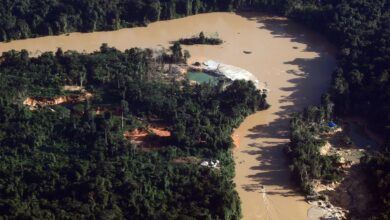
Scientists are developing an early-warning system in Brazil that uses mining, deforestation and climate data to help health teams prevent malaria outbreaks in Indigenous communities.
Zanzibar is deploying AI-powered drones to identify and treat mosquito breeding sites as malaria prevalence in Tanzania falls to just 0.04%.
Cambodia, Laos and Vietnam are moving closer to eliminating malaria, bringing a malaria-free future within reach for millions of people across Cambodia as years of regional cooperation continue to reduce infections.
The Gambia has recorded a 46% decline in malaria cases in a single year, reflecting significant progress in disease prevention and control efforts nationwide.
Malaria deaths have fallen dramatically in Papua New Guinea, bringing the country closer to its goal of eliminating malaria fatalities and improving public health outcomes nationwide.
In Burkina Faso, malaria cases and deaths have dropped sharply following the rollout of a new vaccine, offering families renewed protection against one of the country’s most persistent diseases.
Worldwide, 2025 delivered major health gains as countries eliminated diseases, expanded vaccination and strengthened pandemic preparedness despite wars, climate shocks and funding cuts.
A new malaria vaccine from India will lower supply costs, enabling wider immunisation of children across low-income countries from 2026.
The United States has reaffirmed its role as the largest donor to the Global Fund to Fight AIDS, Tuberculosis and Malaria, pledging $4.6 billion for 2026–28 despite an overall tightening of international aid budgets.