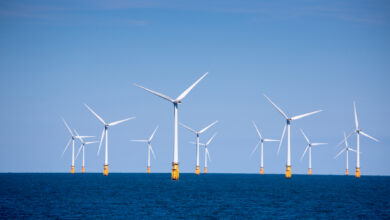
New legislation in the United Kingdom is helping accelerate offshore wind development while introducing stronger and more flexible measures to protect and restore marine ecosystems.
Australia has established its first Indigenous Protected Area dedicated to Sea Country, supporting Indigenous stewardship while safeguarding nearly 237,500 hectares of marine and coastal ecosystems.
Scientists have identified more than 1,100 previously unknown marine species, expanding understanding of ocean biodiversity and strengthening efforts to protect life beneath the waves worldwide.
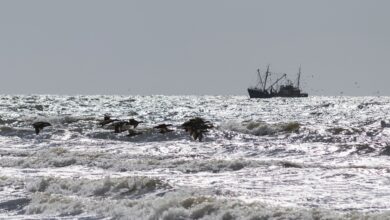
A Dutch court has ruled that bottom trawling in the protected Dogger Bank area must undergo environmental assessment before permits can be granted, strengthening marine conservation in the Netherlands.
dm-drogerie markt, German drugstore retailer and Europe’s largest, has removed all krill-based products, marking a significant shift toward more sustainable consumer choices.
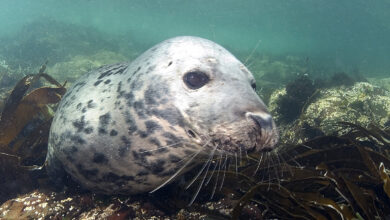
The United Kingdom is seeing early marine recovery as a trawling ban off the Sussex coast helps seabed habitats regenerate and fish populations begin to return.
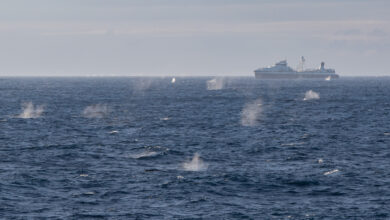
The UK’s nutraceutical industry is beginning to phase out krill-based products, recognising the species’ vital role in ocean ecosystems and taking steps to reduce pressure on Antarctic wildlife.
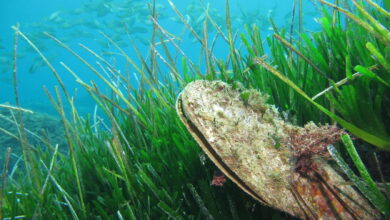
France has restored marine ecosystems off Marseille by reducing pollution, allowing vital seagrass meadows to recover naturally and strengthen biodiversity and carbon storage.
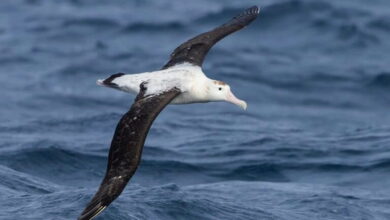
Brazil has led a global agreement to map marine flyways used by seabirds, creating a new framework to protect ocean biodiversity and guide international conservation efforts.
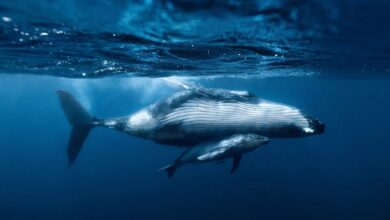
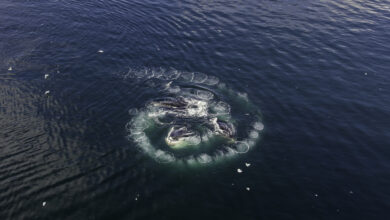
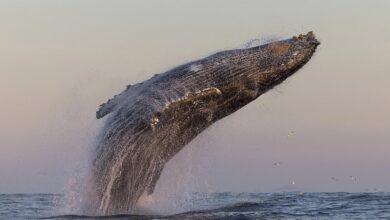
South Africa is witnessing record gatherings of humpback whales, with hundreds forming “super-groups”, signalling a strong global recovery of the species and improving ocean health.