New Zealand has officially banned commercial greyhound racing, marking a significant step towards protecting dogs from racing-related injuries, deaths and other welfare risks.
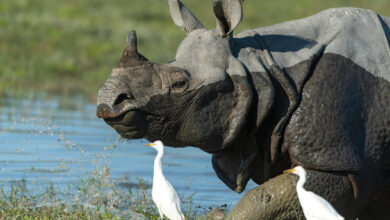
The global greater one-horned rhino population has reached 4,075, reflecting sustained conservation and stronger protection efforts in India and Nepal.
Exclusive breastfeeding during babies’ first six months has risen from about 37% in 2012 to more than 47% worldwide, strengthening early nutrition and protection from illness.
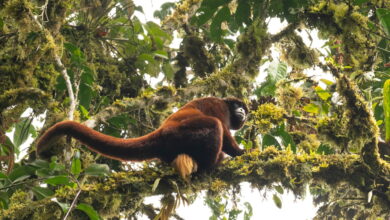
A biodiverse Amazon forest has gained permanent national protection in Peru, safeguarding wildlife habitat and water sources that support more than 10,000 people.
The world's first binding international labour standards for gig workers have been adopted, helping improve pay, safety and workplace protections for millions of platform workers worldwide.
Canada has introduced stronger legal protections for victims of gender-based and intimate partner violence, with new laws making femicide first-degree murder and expanding safeguards for survivors across the country.
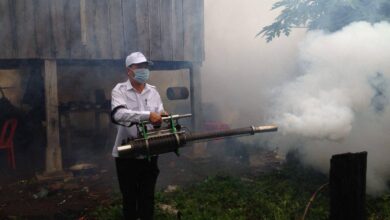
Cambodia, Laos and Vietnam are moving closer to eliminating malaria, bringing a malaria-free future within reach for millions of people across Cambodia as years of regional cooperation continue to reduce infections.
Asia’s threatened vultures are recovering in Nepal after 20 years of coordinated conservation efforts, showing how sustained action can restore wildlife and protect ecosystems.
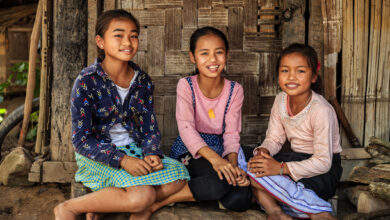
Lao PDR is moving closer to eliminating schistosomiasis, with infection rates reduced to below 1 per cent in high-risk areas and thousands of people gaining protection from the disease.
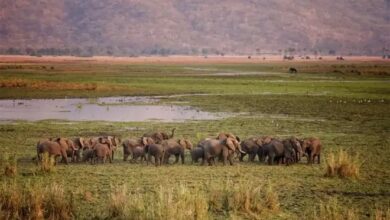
A major conservation effort has helped rebuild elephant populations in Malawi by relocating more than 500 elephants to a protected reserve where the species had been pushed to the brink by poaching.