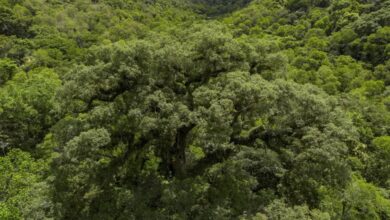
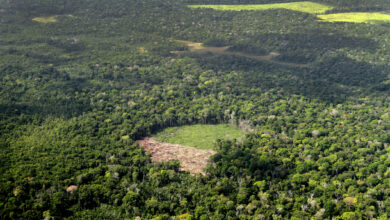
Brazil reduced the loss of tropical rainforest tree cover by 42% in 2025, helping drive a significant global decline in deforestation and supporting efforts to protect biodiversity and tackle climate change.
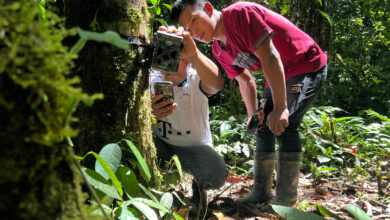
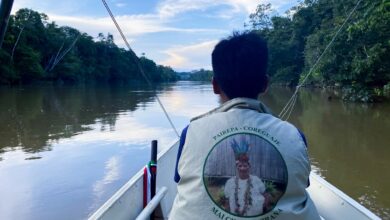
Ecuador’s Indigenous Shuar community is using science and ancestral knowledge to protect biodiverse Amazon forests from mining and strengthen legal safeguards for nature.
Brazil has introduced a new rule requiring banks to screen farmers for illegal deforestation before approving loans, using finance as a powerful tool to protect the Amazon.
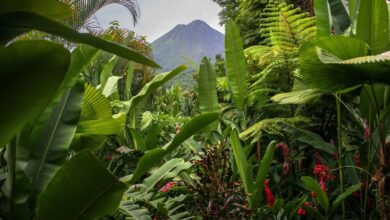
Costa Rica has reversed decades of deforestation, with natural forests expanding from less than 25% of the country in 1985 to well over half of its land today.
Colombia has declared its entire Amazon region a reserve for renewable natural resources, banning all new oil and large-scale mining projects across the vast biome that covers 42% of its territory.
Amid threats from loggers, miners and armed groups, Indigenous communities across Colombia’s Amazon have formed unarmed patrols to defend their forest — guided not by weapons, but by ancestral wisdom and unity.
In Ecuador, the Kichwa community of Pakayaku has successfully prevented mining, logging and oil activities across 40,000 hectares of rainforest for generations, using a community-led guardian programme.
A vast new protected area in the Peruvian Amazon will help safeguard more than half of the region’s carbon reserves while strengthening Indigenous stewardship.
A groundbreaking commitment from Suriname promises lasting protection for 90% of its tropical forests, setting one of the most ambitious global conservation benchmarks yet.
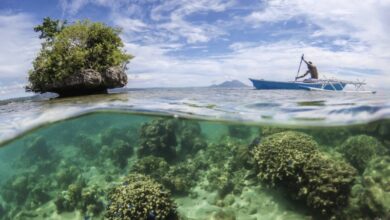
An ocean reserve led and governed by Indigenous peoples is moving closer to reality — blending traditional knowledge with modern science to protect seas rich in life and culture.