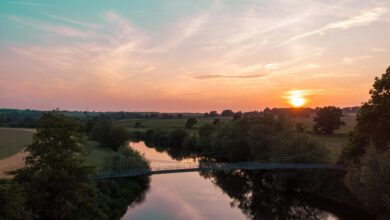
The River Wye has become the first river in the United Kingdom to receive cross-border legal recognition of its rights, strengthening protection for its health, biodiversity and long-term restoration.
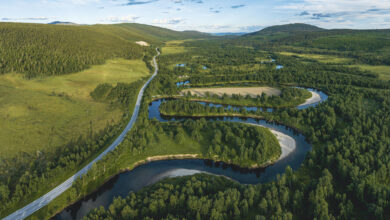
A record-breaking river restoration effort reconnected thousands of kilometres of waterways in Europe, helping strengthen biodiversity, water security and climate resilience.
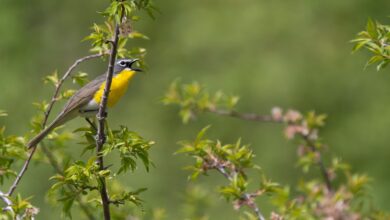
Restoration projects planting native trees in the Colorado River Delta are helping breeding bird populations recover across degraded floodplains in Mexico.
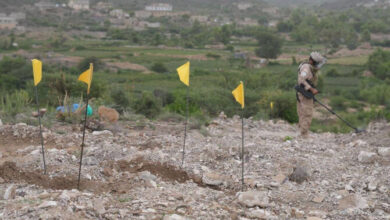
Saudi Arabia is funding large-scale mine-clearance efforts that are making land safer and restoring communities across multiple conflict-affected regions.
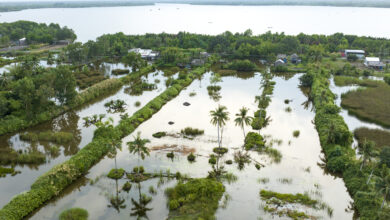
Vietnam is restoring large areas of wetlands in the Mekong Delta, boosting climate resilience, protecting biodiversity and creating safer, more sustainable livelihoods and tourism opportunities.
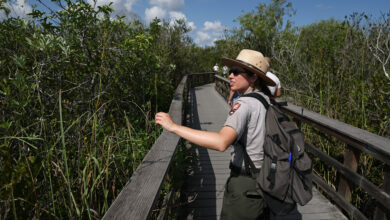
Restoring Florida’s Everglades in the United States is now proving to be a powerful natural climate solution, capturing vast amounts of carbon while reviving one of the world’s most unique ecosystems.
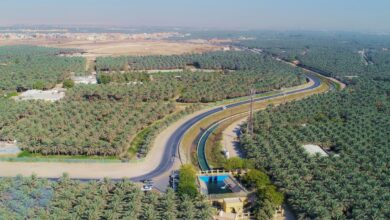
Saudi Arabia has restored one million hectares of degraded land and planted more than 159 million trees, marking a major step in its long-term environmental transformation.
In the United States, the Quapaw Nation has restored heavily contaminated land into productive farmland, turning one of the country’s worst pollution sites into a source of food and livelihoods.
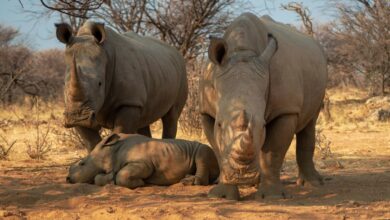
Uganda reintroduced rhinos to Kidepo Valley National Park in 2026, marking the first reintroduction in over 40 years and restoring a species once lost to poaching and conflict.
Seychelles has recorded the first successful coral spawning at a new land-based breeding laboratory, producing thousands of juvenile corals to strengthen reef restoration in the Indian Ocean.