Europe reached a historic clean-energy milestone in 2025 as wind and solar generated more electricity than fossil fuels for the first time across the European Union.
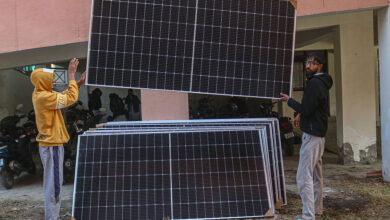
India is building its economic growth on cheap solar power and electrification, leapfrogging the fossil-fuel-heavy path taken by China and Western economies.
In Spain, citizen-led energy cooperatives are transforming access to clean power, supplying affordable electricity to households and helping low-income families escape fuel poverty.
For the first time outside a global downturn, the world’s rising electricity demand is being met entirely by clean energy, marking 2025 as the first year with no increase in fossil fuel generation.
India’s renewable energy expansion has reached new heights, with 17.5 GW of solar capacity installed between April and August 2025 — the fastest pace yet in the nation’s clean-power transition.
Solar power is growing faster in Central Europe than in the rest of the European Union — a bold shift proving that even countries with moderate resources can lead in the clean energy transition.
The SolarStratos HB-SXA made history by flying higher than any solar-electric aircraft before. Proving the sky is no limit for clean aviation.
In six short years, Hungary boosted its solar energy production so much so that the European country overtook South America’s Chile as the world’s solar energy leader through generous government assistance programs.
Bangladesh has implemented the world’s largest off-grid solar power program, helping its 20 million citizens improve their quality of life, boost their livelihood, and strengthen their resilience toward climate change.
The British multinational groceries and general merchandise retailer Tesco plans on becoming carbon neutral across its operations by 2035, an achievable target that could influence other companies to follow suit.