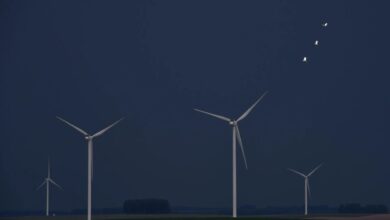
Uruguay has built a power system running on nearly 100% renewable electricity, cutting costs, creating jobs and strengthening energy security over the past decade.
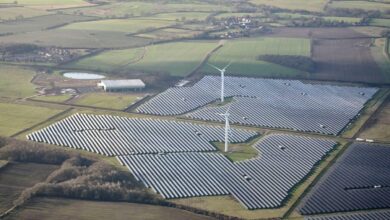
The UK generated record wind and solar power in March 2026, avoiding around £1 billion in gas imports, reducing reliance on fossil fuels, and lowering electricity costs.
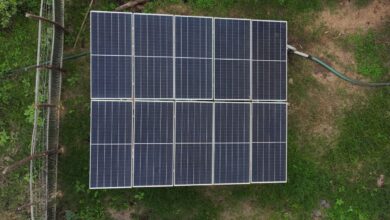
In Ethiopia, solar-powered irrigation is enabling farmers to access water year-round, increasing harvests and incomes while reducing reliance on unpredictable rainfall.
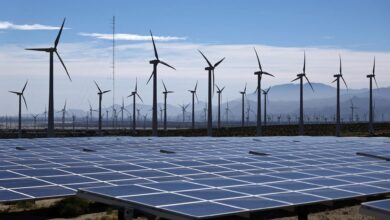
The United States generated a record share of electricity from renewable sources in 2025, with wind, solar and other clean energy supplying 26% of the nation’s power.
Europe reached a historic clean-energy milestone in 2025 as wind and solar generated more electricity than fossil fuels for the first time across the European Union.
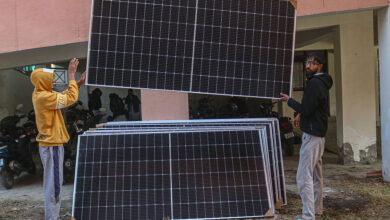
India is building its economic growth on cheap solar power and electrification, leapfrogging the fossil-fuel-heavy path taken by China and Western economies.
In Spain, citizen-led energy cooperatives are transforming access to clean power, supplying affordable electricity to households and helping low-income families escape fuel poverty.
For the first time outside a global downturn, the world’s rising electricity demand is being met entirely by clean energy, marking 2025 as the first year with no increase in fossil fuel generation.
India’s renewable energy expansion has reached new heights, with 17.5 GW of solar capacity installed between April and August 2025 — the fastest pace yet in the nation’s clean-power transition.
Solar power is growing faster in Central Europe than in the rest of the European Union — a bold shift proving that even countries with moderate resources can lead in the clean energy transition.