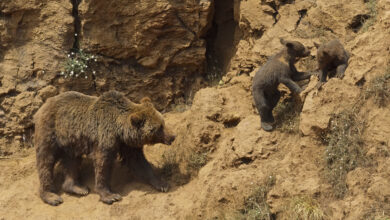
The Cantabrian brown bear is making a remarkable comeback in Spain, expanding its range to 17,000 square kilometres after nearly disappearing from the region in the 1990s.
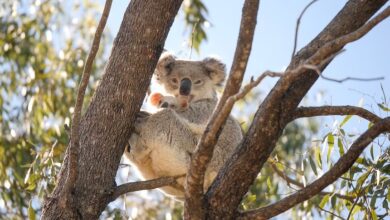
Australia has established a 478,000-hectare national park to protect koalas, native forests, and more than 100 species of plants and animals, following more than a decade of conservation efforts.
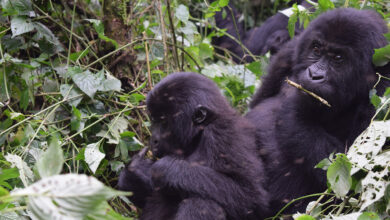
For the first time, a Congolese conservation organisation will co-manage a protected area in the Democratic Republic of Congo, strengthening community-led efforts to protect biodiversity.
The River Thames in the United Kingdom is becoming significantly cleaner, with sewage overflow volumes down 86% after the opening of a major new sewer tunnel.
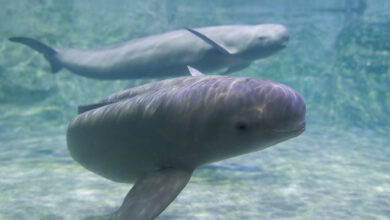
Conservation efforts in China are helping the endangered Yangtze finless porpoise recover, with its population increasing by 41% in eight years.
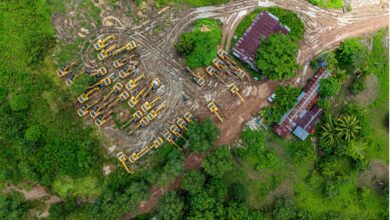
Indonesia has announced plans to halt the expansion of a major agricultural development project into Papua’s forests, protect vital ecosystems, and shift future food and biofuel production to degraded land.
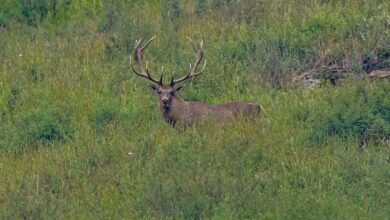
India’s endangered Hangul deer population has more than doubled since 2008, reaching 323 animals in the latest census as conservation efforts help the rare species recover.
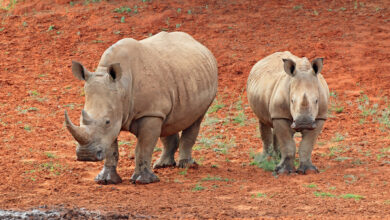
More than 700 southern white rhinos have been relocated to protected reserves across Africa, helping establish growing populations and strengthen the species' long-term survival prospects.
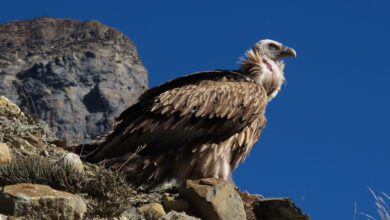
Critically endangered White-rumped Vultures are recovering in Nepal after conservation efforts eliminated toxic veterinary drugs, demonstrating the effectiveness of sustained wildlife protection.
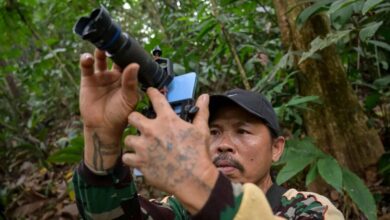
In Indonesia, a conservation programme is paying villagers to photograph wildlife instead of hunting it, creating new income while encouraging communities to protect animals and their habitats.