China’s clean-energy technology exports in 2026 are on track to prevent around 450 million tonnes of CO₂ emissions annually worldwide, equivalent to nearly 2% of emissions outside China.
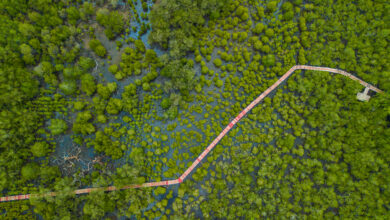
Mangrove forests worldwide have shifted from net loss to net growth since around 2010, demonstrating the remarkable ability of these vital coastal ecosystems to recover naturally.
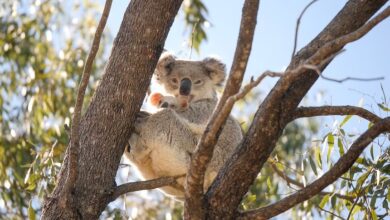
Australia has established a 478,000-hectare national park to protect koalas, native forests, and more than 100 species of plants and animals, following more than a decade of conservation efforts.
Petrol-only cars account for less than half of global new vehicle sales for the first time, marking a major milestone in the worldwide shift towards electric and hybrid mobility.
Global clean energy initiatives have provided 308 million people with new or improved electricity access since 2021, while accelerating renewable energy expansion and creating green jobs worldwide.
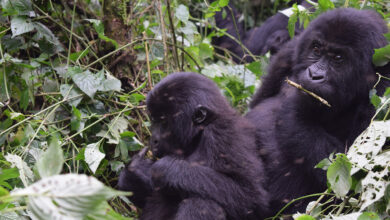
For the first time, a Congolese conservation organisation will co-manage a protected area in the Democratic Republic of Congo, strengthening community-led efforts to protect biodiversity.
Roadside wildflower habitats in London, UK, have doubled in size over two years, creating more space for wildlife and helping butterfly populations recover.
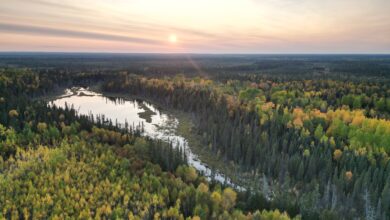
Canada has protected more than 81,400 hectares of carbon-rich boreal forest and peatlands, safeguarding vital ecosystems and strengthening climate resilience.
Emissions from North Sea oil and gas production in the United Kingdom have declined for six consecutive years, falling by an estimated 37% since 2018.
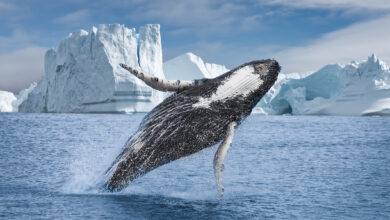
Greenland's parliament has unanimously voted to protect the island's marine ecosystems by advancing legislation to ban deep-sea mining and seabed exploration until at least 2029.