In Italy, a court ruling over the illegal trafficking of rare cacti has set a new precedent by recognising environmental damage as a harm that can be compensated in court.
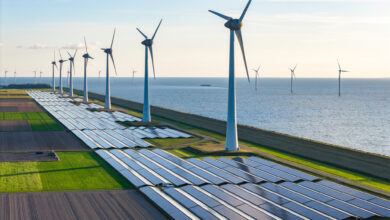
Across Europe, electricity prices fell by around 24% between 2023 and 2025, as growing wind and solar capacity reduced reliance on expensive fossil fuels.
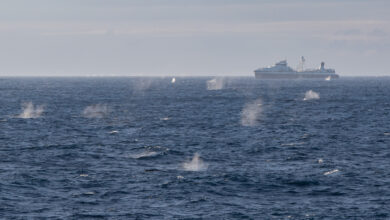
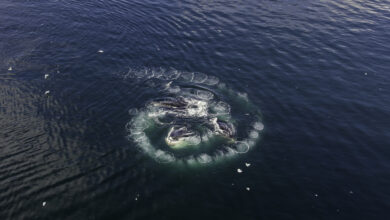
dm-drogerie markt, German drugstore retailer and Europe’s largest, has removed all krill-based products, marking a significant shift toward more sustainable consumer choices.
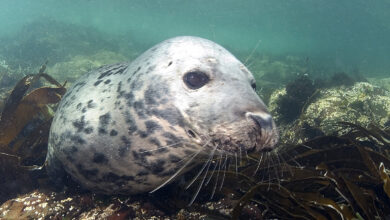
The United Kingdom is seeing early marine recovery as a trawling ban off the Sussex coast helps seabed habitats regenerate and fish populations begin to return.
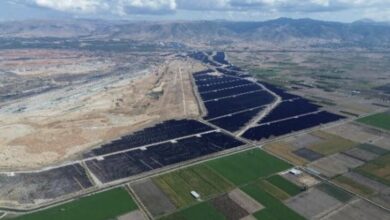
Greece has transformed former lignite mines into Europe’s largest solar cluster, generating clean energy for hundreds of thousands of homes and accelerating the country’s energy transition.
The UK’s nutraceutical industry is beginning to phase out krill-based products, recognising the species’ vital role in ocean ecosystems and taking steps to reduce pressure on Antarctic wildlife.
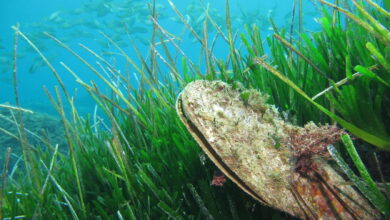
France has restored marine ecosystems off Marseille by reducing pollution, allowing vital seagrass meadows to recover naturally and strengthen biodiversity and carbon storage.
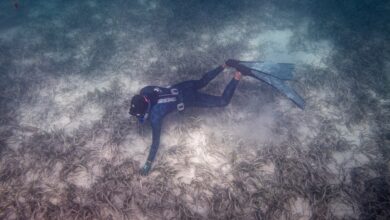
Australia is restoring the world’s largest plant in Shark Bay through an Indigenous-led project that rebuilds seagrass ecosystems while strengthening climate resilience and local livelihoods.
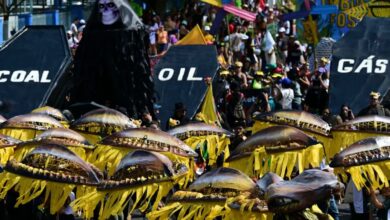
Colombia has brought together more than 50 countries to launch a new global coalition to accelerate the transition away from fossil fuels and advance cleaner energy systems.
Germany has transformed former coal mines into Europe’s largest artificial lake region, turning industrial land into a vast water landscape that supports tourism, ecosystems and local economies.