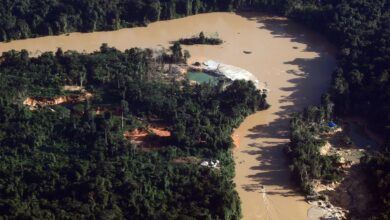
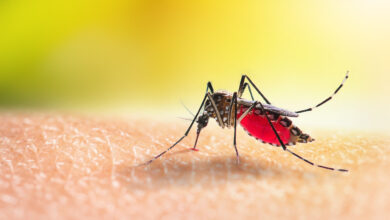
Scientists are developing an early-warning system in Brazil that uses mining, deforestation and climate data to help health teams prevent malaria outbreaks in Indigenous communities.
A new AI tool can detect signs of heart failure and heart valve disease from routine ECGs in under two seconds, potentially enabling earlier treatment in the United States.
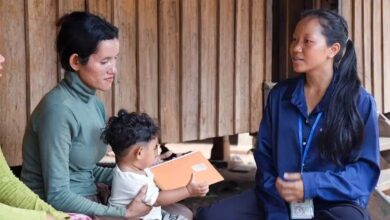
Thousands of trained village volunteers are helping mothers and young children access better nutrition and healthcare in Cambodia, improving prospects for healthier development.
Cancer rates and deaths have fallen substantially in Egypt, with prevention programmes and improved public health helping save thousands of lives.
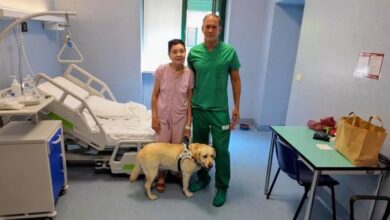
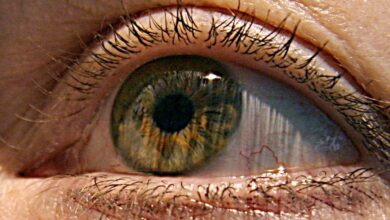
A pioneering retinal transplant has restored vision to a woman who had been blind for more than five years, opening new possibilities for eye surgery in Italy.
Exclusive breastfeeding during babies’ first six months has risen from about 37% in 2012 to more than 47% worldwide, strengthening early nutrition and protection from illness.
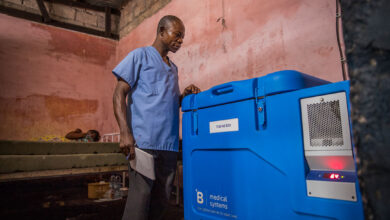
A vaccine designed to work without refrigeration has completed its first human trial in the United Kingdom, potentially making immunisation easier in remote communities.
Global deaths from infections affecting the digestive system, including diarrhoeal diseases, fell from 3.69 million in 1990 to 1.27 million in 2023.
Zanzibar is deploying AI-powered drones to identify and treat mosquito breeding sites as malaria prevalence in Tanzania falls to just 0.04%.
People with advanced age-related macular degeneration can now regain some lost sight after Europe's first approved retinal implant was made available to patients in Germany, offering a new treatment option.