Technology
-
 Technology Philippines
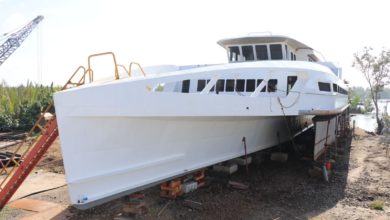
Faster and Cleaner: New Ferry Uses Ocean Waves for Power
The Philippines’ Visayas region thrives in the maritime sector – yet suffers from the pollution caused by conventional ships. Now a potential solution is underway: a fast-sailing boat that uses ocean waves to generate part of its power.
-

-
 Technology United Kingdom
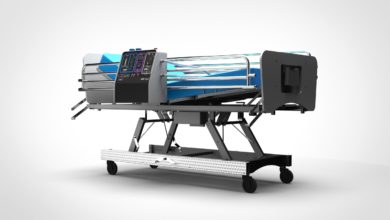
Tech Giant to Make 15,000 Ventilators for Coronavirus Patients Instead of Vacuum Cleaners
In response to the ventilator shortages caused by the coronavirus pandemic, a tech company specializing in vacuums and hair dryers is refocusing their resources to produce 10,000 ventilators for the United Kingdom – while donating 5,000 more for the world!
-

-
 Society USA
Now You Can Stay Home and “Go” to a Famous Museum at the Same Time
Google Arts and Culture has partnered with over 2,000 museums and galleries from around 80 countries to bring art to our homes through its online platform – a perk especially convenient amidst the international lockdowns caused by the COVID-19 outbreak.
-

-

-
 Technology Sweden
Underwater Robots Keep Ships Clean to Cut Carbon Emissions
As the shipping industry is looking into ways to reduce carbon emissions, a new kind of underwater robot may be the solution, reducing the pollution of cargo ships by keeping them clean so they can use less energy to move around.
-
-
 Technology Brazil
Indigenous Tribe Uses Drones to Catch Land Grabbers in the Rainforest
The Uru-Eu-Wau-Wau, an indigenous tribe in Brazil’s Amazon rainforest, have begun operating drones in January a drive to spot illegal loggers and land grabbers – and they immediately found a deforested site that they otherwise wouldn’t have noticed.