The UK’s nutraceutical industry is beginning to phase out krill-based products, recognising the species’ vital role in ocean ecosystems and taking steps to reduce pressure on Antarctic wildlife.
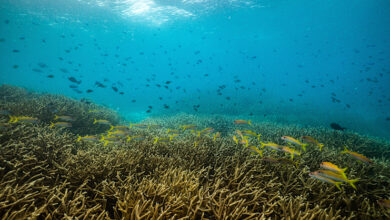
France has restored marine ecosystems off Marseille by reducing pollution, allowing vital seagrass meadows to recover naturally and strengthen biodiversity and carbon storage.
Australia is restoring the world’s largest plant in Shark Bay through an Indigenous-led project that rebuilds seagrass ecosystems while strengthening climate resilience and local livelihoods.
Brazil has led a global agreement to map marine flyways used by seabirds, creating a new framework to protect ocean biodiversity and guide international conservation efforts.
Germany has transformed former coal mines into Europe’s largest artificial lake region, turning industrial land into a vast water landscape that supports tourism, ecosystems and local economies.
The United States opened North America’s largest wildlife crossing in Colorado in 2025, reconnecting habitats and reducing animal-vehicle collisions by up to 90% on a major highway.
Vietnam is restoring large areas of wetlands in the Mekong Delta, boosting climate resilience, protecting biodiversity and creating safer, more sustainable livelihoods and tourism opportunities.
Restoring Florida’s Everglades in the United States is now proving to be a powerful natural climate solution, capturing vast amounts of carbon while reviving one of the world’s most unique ecosystems.
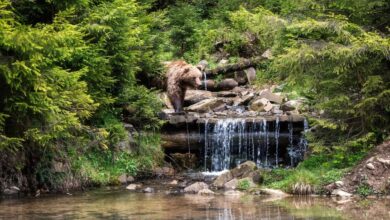
Reintroduced European bison in Romania’s Tarcu Mountains are boosting plant life by around 30%, showing how restoring wildlife can rapidly revive damaged ecosystems.
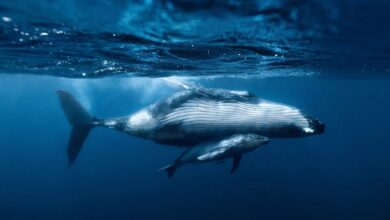
More than 10% of the world’s ocean is now protected, marking a major step toward safeguarding marine ecosystems and supporting global biodiversity targets.