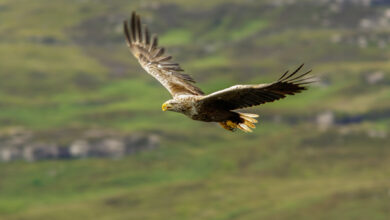
The return of white-tailed eagles to the wild in the United Kingdom is gaining momentum, with additional releases approved following successful breeding and population growth in recent years.
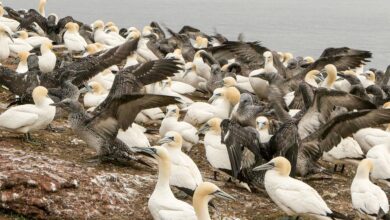
Levels of some of the most harmful PFAS “forever chemicals” in seabird eggs have fallen sharply in Canada, highlighting the long-term benefits of environmental regulations and pollution controls.
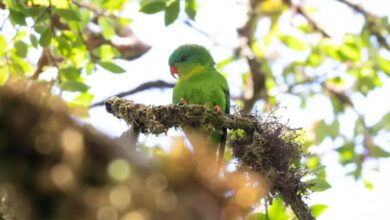
A rare parrot thought lost for decades has been rediscovered in Indonesia, offering new opportunities to protect one of the world's least-known bird species.
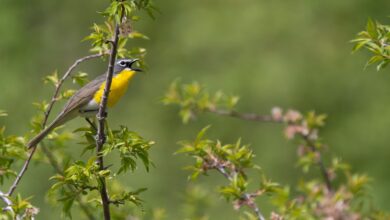
Restoration projects planting native trees in the Colorado River Delta are helping breeding bird populations recover across degraded floodplains in Mexico.
Nightjar populations in England’s South Downs National Park have doubled over the past five years, marking a rare and encouraging wildlife recovery for one of Britain’s most elusive birds.
Five southern African nations have launched the continent’s first transboundary birding route, connecting vast ecosystems into a single tourism experience that supports conservation and local livelihoods.
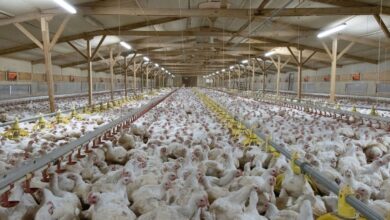
Norway will fully phase out fast-growing chicken breeds by 2027, becoming the first country to eliminate birds linked to severe welfare problems in industrial poultry farming.
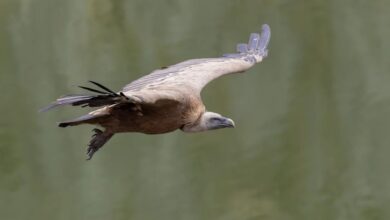
Romania is preparing to reintroduce vultures to the Carpathian Mountains, restoring a keystone species absent for a century and strengthening one of Europe’s most intact wilderness areas.
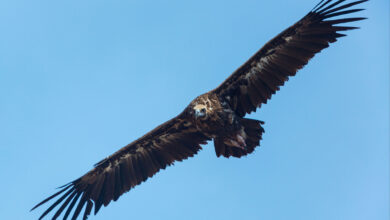
Spain and Bulgaria have released new cinereous vultures into the wild, marking a major step in restoring one of Europe’s largest scavenging birds to landscapes where it vanished decades ago.
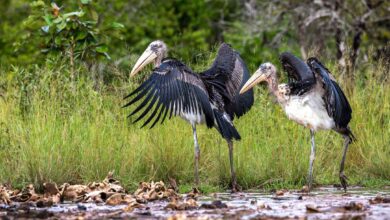
In Cambodia, two Greater Adjutant Storks bred in captivity have been released into the wild for the first time, marking a significant step forward for efforts to restore one of the world’s rarest stork species.