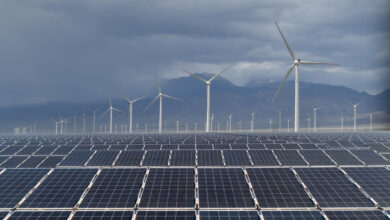
China’s clean-energy technology exports in 2026 are on track to prevent around 450 million tonnes of CO₂ emissions annually worldwide, equivalent to nearly 2% of emissions outside China.
Global clean energy initiatives have provided 308 million people with new or improved electricity access since 2021, while accelerating renewable energy expansion and creating green jobs worldwide.
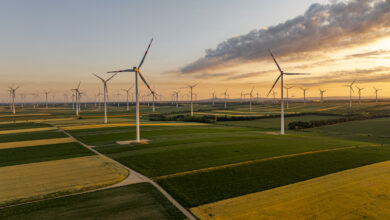
Germany has nearly halved its fossil fuel use for electricity generation since 2018, and renewables now supply almost 60% of the country's electricity.
A major home electrification programme in the United States is providing low-income households with free energy-efficient appliances and upgrades, reducing emissions and improving living conditions.
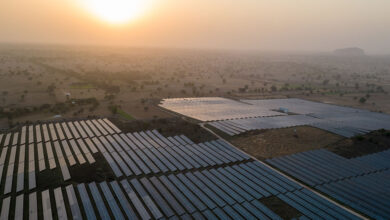
In India, record clean-energy growth has met rising electricity demand while keeping power-sector carbon emissions unchanged over two years.
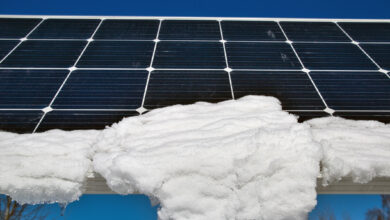
Falling costs are making solar power viable across northern Europe, helping Finland, Sweden and the United Kingdom produce more clean energy at home.
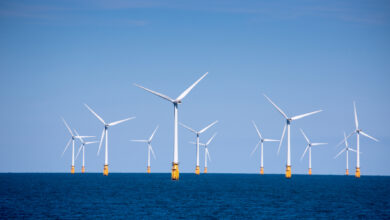
New legislation in the United Kingdom is helping accelerate offshore wind development while introducing stronger and more flexible measures to protect and restore marine ecosystems.
China generated enough new electricity in a single year to match the annual output of a major industrialised nation, driven overwhelmingly by rapid growth in renewable energy.
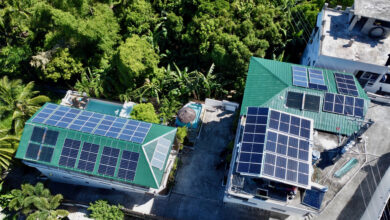
Rooftop solar installations are expanding rapidly in the Philippines, helping households and businesses reduce electricity costs while supporting a more resilient and secure energy system.
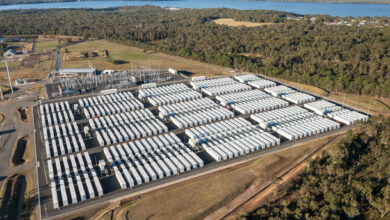
Australia’s rapid expansion of large-scale and household batteries is helping lower electricity costs while accelerating the shift to cleaner energy.