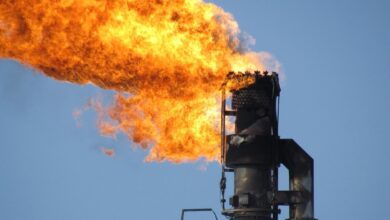
Brazil has published the world's first global roadmap for transitioning away from fossil fuels, offering countries practical steps to reduce dependence on coal, oil and gas while supporting economic growth.
A climate-ready ecological corridor is helping snow leopards and other mountain wildlife move safely across changing landscapes in Kyrgyzstan, while supporting sustainable livelihoods for local herding communities.
Uganda has launched a $1.8 billion national programme to expand access to clean water and sanitation, helping millions of people gain more reliable services while strengthening resilience to climate-related challenges.
Countries have overwhelmingly backed a landmark United Nations resolution affirming that governments have a responsibility to address climate change and protect people from its impacts worldwide.
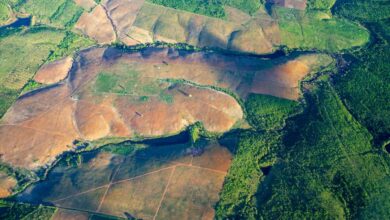
Conservation measures are helping protect the Atlantic Forest in Brazil, bringing one of the world’s most threatened ecosystems closer to a future with little or no deforestation.
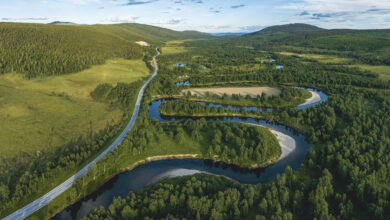
A record-breaking river restoration effort reconnected thousands of kilometres of waterways in Europe, helping strengthen biodiversity, water security and climate resilience.
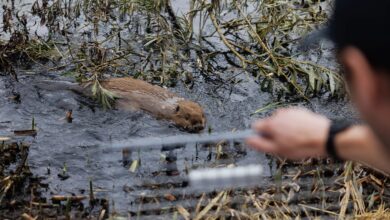
Reintroduced beavers are helping reduce flood risks and restore wetlands in the United Kingdom, offering a natural solution to the growing impacts of climate change.
A large conservation reserve in South Africa is restoring native wildlife and increasing soil carbon storage through rewilding efforts designed to strengthen ecosystems and support long-term climate resilience.
In China, officials will now be evaluated and rewarded based on climate performance, as the government links career progression to progress on emissions and clean energy goals.
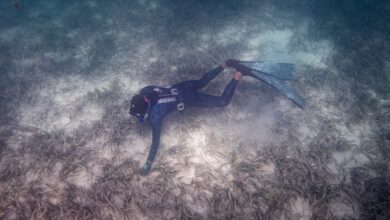
Australia is restoring the world’s largest plant in Shark Bay through an Indigenous-led project that rebuilds seagrass ecosystems while strengthening climate resilience and local livelihoods.