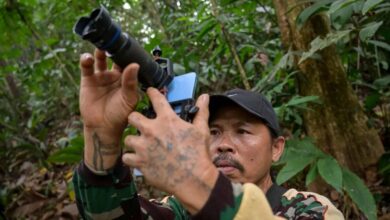
In Indonesia, a conservation programme is paying villagers to photograph wildlife instead of hunting it, creating new income while encouraging communities to protect animals and their habitats.
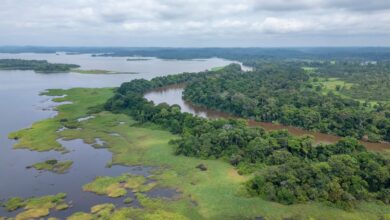
Gabon has launched a major conservation initiative aiming to mobilise up to $200 million over the next decade to protect biodiversity and improve rural livelihoods.
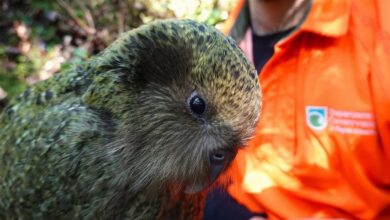
The critically endangered kākāpō population has reached 325 birds in New Zealand, its highest level in the recovery era and potentially in 75 years.
Young red kites from England are helping rebuild a population that nearly disappeared from Spain, repaying a conservation effort that helped restore the species in England.
The Asiatic lion population has risen by more than 70% in a decade to 891 in India, continuing a remarkable recovery from near-extinction.
Asia’s threatened vultures are recovering in Nepal after 20 years of coordinated conservation efforts, showing how sustained action can restore wildlife and protect ecosystems.
New legislation in the United Kingdom is helping accelerate offshore wind development while introducing stronger and more flexible measures to protect and restore marine ecosystems.
A family-led conservation effort has transformed former cattle ranchland into the country’s largest private protected area, safeguarding vital freshwater ecosystems and wildlife in Colombia.
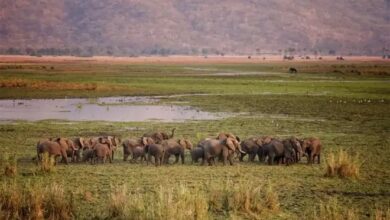
A major conservation effort has helped rebuild elephant populations in Malawi by relocating more than 500 elephants to a protected reserve where the species had been pushed to the brink by poaching.
A new international conservation programme is helping strengthen wildlife protection, ecosystem resilience and sustainable development across one of southern Africa’s most important transboundary landscapes.