Higher education participation has expanded substantially over a decade in India, with female enrolment growing faster than overall student numbers and gender parity improving.
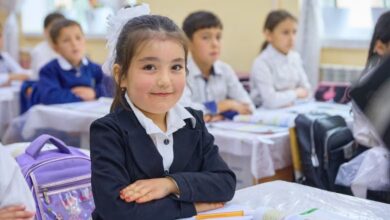
Millions more children are gaining access to quality early education in Uzbekistan, helping them build stronger foundations for learning while creating new opportunities for families and working mothers.
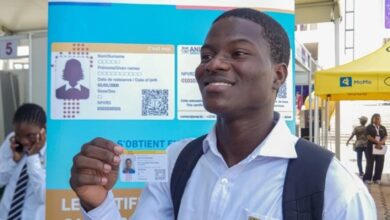
Millions of people in Benin now have easier access to education, banking and essential services after a national identification programme helped make legal identity available to nearly the entire population.
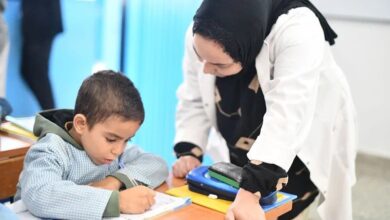
A nationwide school reform programme is helping more than 2 million children strengthen foundational learning skills and create more supportive classroom environments in Morocco.
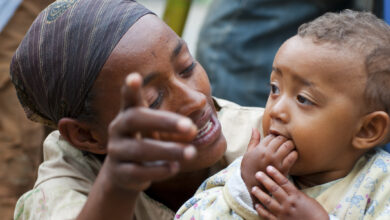
Addis Ababa is expanding early childhood development services across Ethiopia by improving childcare, education, and health support, and by creating safer public spaces for vulnerable families.
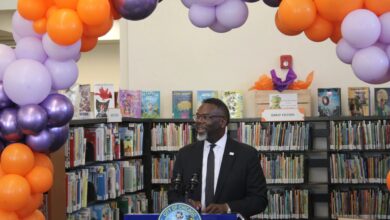
Chicago, in the United States, has expanded a programme that turns school IDs into library cards, giving all public school students seamless access to books, digital resources and academic support.
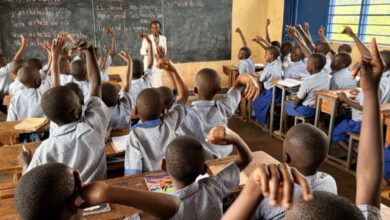
Rwanda has trained and certified 24,000 teachers in under a year, rapidly strengthening education quality and ensuring newly built classrooms are staffed nationwide.
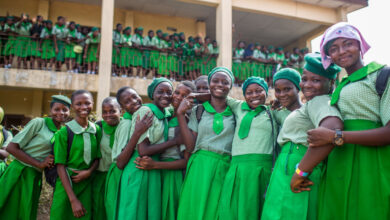
Nigeria has unlocked $552 million to strengthen basic education, accelerating nationwide reforms to improve learning, expand access and boost accountability across schools.
São Tomé and Príncipe is rewarding thousands of villagers with direct payments for protecting forests, creating a new model that links livelihoods with conservation.
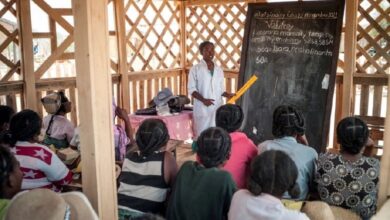
Madagascar has expanded social protection programmes to reach millions, helping families recover from shocks while creating new pathways to work, education and long-term economic participation.