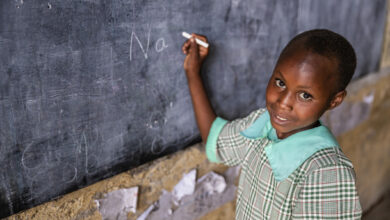
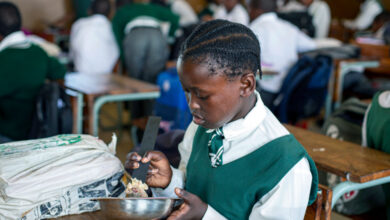
Kenya has announced plans to introduce a nationwide school meals programme in 2027 to improve child nutrition, support vulnerable families, and expand access to education.
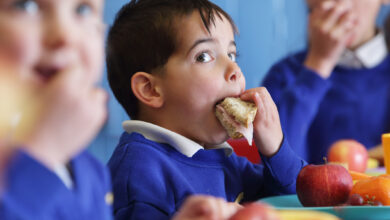
Around 500,000 more children can now receive free school meals in England, helping families manage food costs while supporting children’s health and learning.
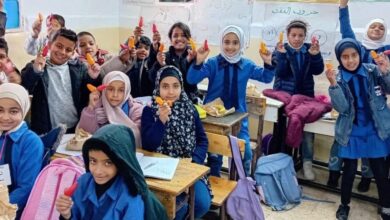
Jordan is expanding a school meals programme that improves children’s nutrition and attendance while creating employment opportunities for women through local food production and community kitchens.
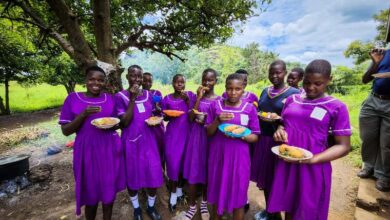
A record private-sector commitment will help provide nutritious school meals to 366,000 children while supporting sustainable farming and stronger local food systems across Uganda, Kenya and Ethiopia.
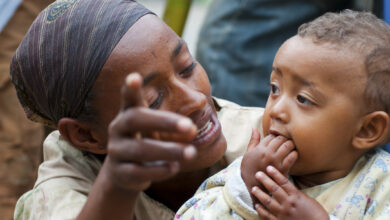
Addis Ababa is expanding early childhood development services across Ethiopia by improving childcare, education, and health support, and by creating safer public spaces for vulnerable families.
The United Kingdom is overhauling school meals by removing high-sugar and deep-fried foods, improving children’s nutrition and helping tackle rising obesity and health risks.
Norway has banned the marketing of unhealthy foods and drinks to children, aiming to reduce obesity and protect long-term health by reshaping the environments in which young people grow up.
Across Africa, school feeding programmes now provide nutritious meals to over 86 million children, strengthening education, health and local economies.
Across the European Union, school meal programmes now provide nutritious food to around 25 million children, improving health, education outcomes and social equality.
Hunger in Latin America and the Caribbean has fallen for the fourth consecutive year, according to a new UN-backed report, which shows steady progress in improving food security across the region.