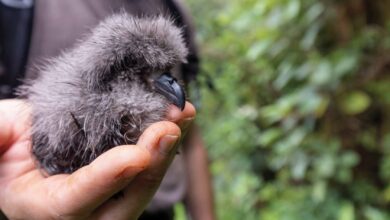
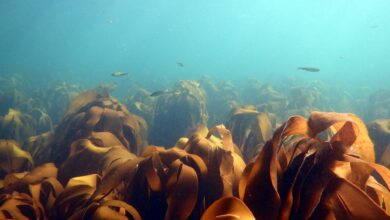
Long-term conservation work is helping protect the critically endangered Galápagos petrel in Ecuador, slowing its decline and expanding efforts to safeguard vital breeding habitats.
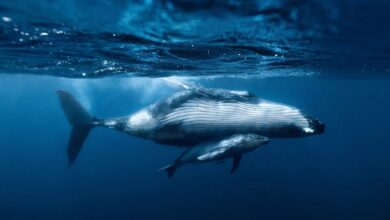
Scientists have identified more than 1,100 previously unknown marine species, expanding understanding of ocean biodiversity and strengthening efforts to protect life beneath the waves worldwide.
People across Africa could gain stronger access to locally produced vaccines as new investments aim to expand manufacturing capacity and strengthen long-term health security.
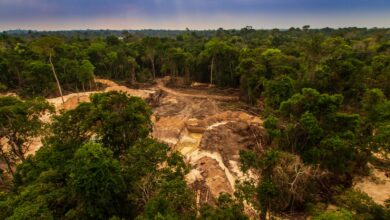
Environmental journalists in Brazil, Venezuela and other Amazon countries are using geospatial artificial intelligence to uncover illegal mining and strengthen protection for forests and Indigenous lands.
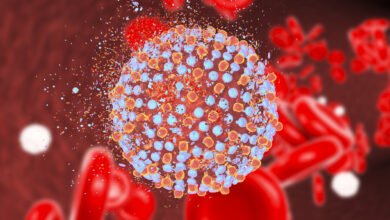
People across Pakistan are set to gain wider access to free hepatitis C screening and treatment through a nationwide programme aimed at eliminating the disease as a public health threat.
Nigeria is moving towards stronger wildlife protections with a new law designed to improve conservation efforts, tackle wildlife crime and strengthen safeguards for endangered species.
Conservation teams in Ukraine secured major protections for wildlife and habitats in 2025, helping preserve ecosystems and strengthen long-term environmental resilience during wartime.
The European Parliament has voted to support a “yes means yes” definition of consent, aiming to strengthen legal protections for survivors of sexual violence across the European Union.
England has introduced new protections for a large section of the Sussex coastline, banning bottom trawling in vulnerable marine habitats to help restore biodiversity and protect threatened species.
The European Union has approved its first common rules to improve the welfare, traceability, and protection of cats and dogs across member states.