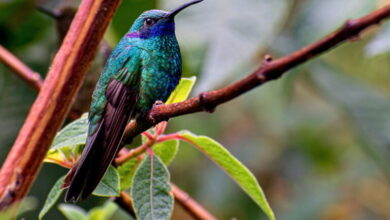
Colombia has created a major new protected area to conserve endangered species, safeguard water supplies, and strengthen ecological connections across important mountain ecosystems.
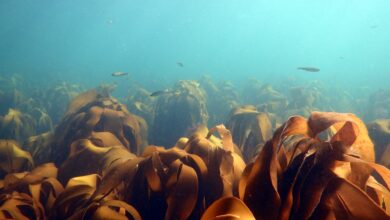
England has introduced new protections for a large section of the Sussex coastline, banning bottom trawling in vulnerable marine habitats to help restore biodiversity and protect threatened species.
A large conservation reserve in South Africa is restoring native wildlife and increasing soil carbon storage through rewilding efforts designed to strengthen ecosystems and support long-term climate resilience.
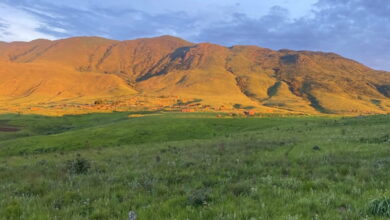
Angola has created a new conservation area around its highest mountain to protect rare Afromontane forests and threatened wildlife found nowhere else in the world.
Australia has created a vast new national park designed to reconnect fragmented forests and protect koalas, along with dozens of other threatened species.
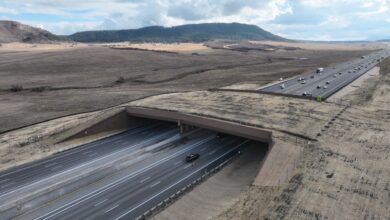
The United States opened North America’s largest wildlife crossing in Colorado in 2025, reconnecting habitats and reducing animal-vehicle collisions by up to 90% on a major highway.
Scotland saw major biodiversity gains as rewilding efforts rapidly restored habitats, boosting wildlife populations and strengthening ecosystem resilience.
South Africa has recorded a 16% drop in rhino poaching in 2025, reflecting progress in conservation efforts despite continued regional challenges and pressure from wildlife trafficking networks.
Globally, new digital tools and technologies are helping authorities detect illegal wildlife trade more effectively, strengthening enforcement and protecting endangered species.
France launched its largest rewilding landscape in 2025 in the Dauphiné Alps, aiming to rebuild resilient mountain ecosystems by helping key wildlife return and thrive with minimal human intervention.