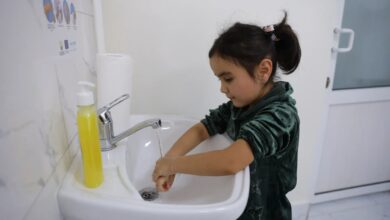
Improved access to clean water, sanitation and hygiene in healthcare facilities across Tajikistan is benefiting 1.8 million people, including nearly 900,000 children.
Falling traffic pollution has been linked to faster lung growth in children, with those previously lagging behind catching up within four years in the United Kingdom.
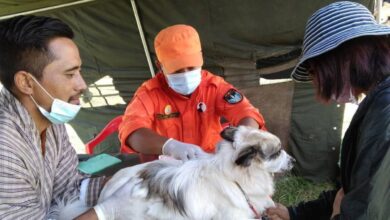
Bhutan has eliminated dog-transmitted human rabies as a public health problem, becoming the first country in its region to achieve the milestone.
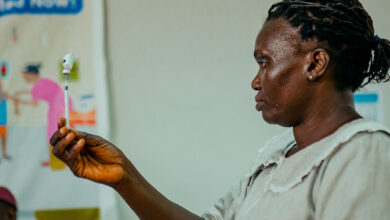
A new global mpox vaccine stockpile will give countries faster and more equitable access to vaccines during outbreaks, strengthening preparedness worldwide.
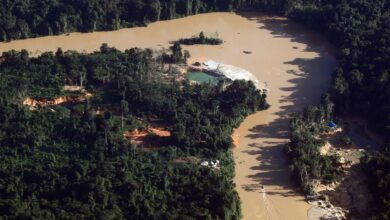
Scientists are developing an early-warning system in Brazil that uses mining, deforestation and climate data to help health teams prevent malaria outbreaks in Indigenous communities.
A new AI tool can detect signs of heart failure and heart valve disease from routine ECGs in under two seconds, potentially enabling earlier treatment in the United States.
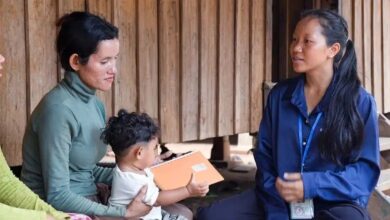
Thousands of trained village volunteers are helping mothers and young children access better nutrition and healthcare in Cambodia, improving prospects for healthier development.
Cancer rates and deaths have fallen substantially in Egypt, with prevention programmes and improved public health helping save thousands of lives.
A pioneering retinal transplant has restored vision to a woman who had been blind for more than five years, opening new possibilities for eye surgery in Italy.
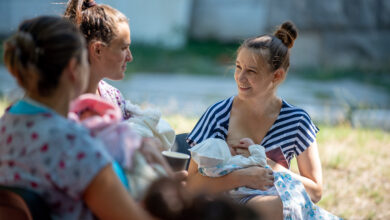
Exclusive breastfeeding during babies’ first six months has risen from about 37% in 2012 to more than 47% worldwide, strengthening early nutrition and protection from illness.