Global coal exports declined in 2025 for the first time since 2020, marking a significant shift as major Asian economies reduced coal use in power generation.
Coal-fired electricity generation fell in 2025 in the world’s two largest coal users, marking the first simultaneous decline since the 1970s and signalling a potential turning point for global emissions.
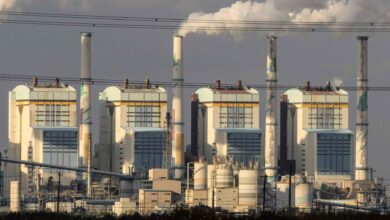
South Korea has joined the Powering Past Coal Alliance, committing to close 40 coal-fired power plants by 2040 and stop building any new ones.
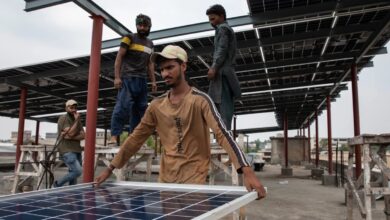
Solar energy now generates a quarter of Pakistan’s electricity, surpassing coal and nuclear in a milestone shift toward clean power.
India is actively working towards harnessing the power of the sun, wind, and other clean energy sources, adding 30 gigawatts of clean electricity in a single year, enough to power close to 18 million homes.
Coal’s share in Finland’s electricity mix has dropped to less than 1% with the closure of a coal power plant in Helsinki, putting the Scandinavian country on the brink of fully phasing out coal four years ahead of schedule.
Drawing on five years of the European Green Deal, the EU has reached a new electricity milestone with solar power overtaking coal power for the first time in its history.
The latest data suggests that solar energy will quadruple by 2030, while coal, gas, and nuclear power continue to decline.
A new regulation in the United States will require coal-burning power plants to reduce their emissions by 90 percent by 2032 - or shut down.
Slovakia is set to become coal-free this year, six years earlier than its original goal of 2030.