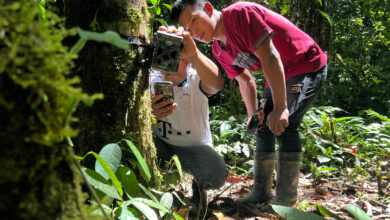
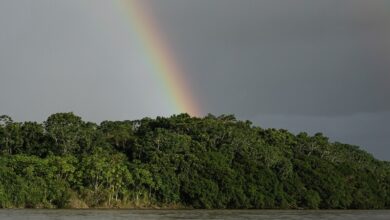
Ecuador’s Indigenous Shuar community is using science and ancestral knowledge to protect biodiverse Amazon forests from mining and strengthen legal safeguards for nature.
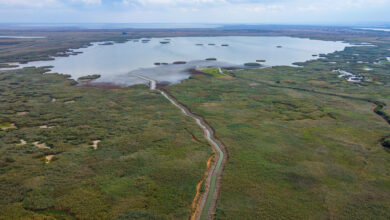
A major restoration effort in Ukraine's Danube Delta has reconnected Lake Kartal to the River Danube, reviving more than 18,000 hectares of wetland and reversing decades of ecological decline.
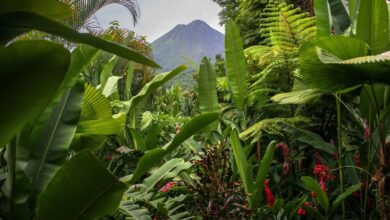
Costa Rica has reversed decades of deforestation, with natural forests expanding from less than 25% of the country in 1985 to well over half of its land today.
France launched its largest rewilding landscape in 2025 in the Dauphiné Alps, aiming to rebuild resilient mountain ecosystems by helping key wildlife return and thrive with minimal human intervention.
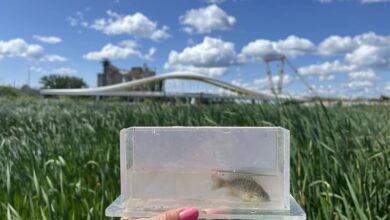
Canada saw fish populations return to Toronto’s Don River in 2025, marking a major ecological recovery after decades of severe pollution rendered the waterway biologically depleted.
Colombia cut forest loss by a quarter in 2025, keeping deforestation on track for a fourth consecutive annual decline and signalling that long-term conservation efforts are beginning to hold.
Australia has passed sweeping reforms to its environment laws, introducing the nation’s first independent regulator and stronger safeguards for forests, wildlife, and water.
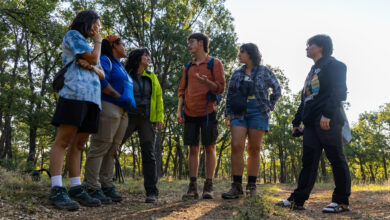
In Spain, rewilding is transforming the Iberian Highlands, helping rural communities recover from depopulation by creating jobs, restoring nature and building a greener local economy.
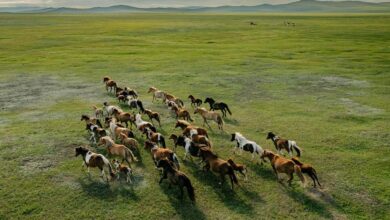
Mongolia has launched one of the most ambitious land protection efforts in its history, pledging to conserve 30% of its territory through a 15-year plan that supports both nature and nomadic livelihoods.
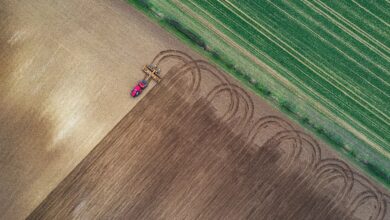
Global agricultural land use peaked in the early 2000s and is now declining, freeing up space where grasslands, forests, and wild animals are returning — a hopeful sign for rewilding and biodiversity.