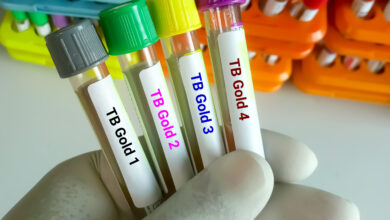
Bangladesh is planning a Tk 4,039 crore (approximately US$330 million) healthcare initiative to expand tuberculosis, HIV, and malaria treatment and prevention, aiming to save lives nationwide.
After more than a decade of pollution controls, China’s air quality has reached its best recorded level, bringing major public health benefits.
Mammography screening is helping detect breast cancer earlier, alongside declining mortality rates and fewer advanced tumours across much of Europe.
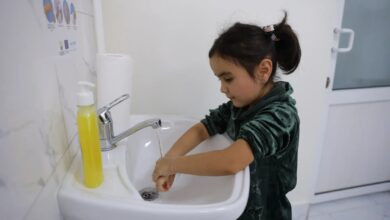
Improved access to clean water, sanitation and hygiene in healthcare facilities across Tajikistan is benefiting 1.8 million people, including nearly 900,000 children.
Falling traffic pollution has been linked to faster lung growth in children, with those previously lagging behind catching up within four years in the United Kingdom.
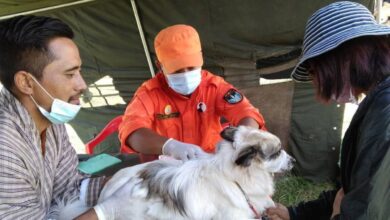
Bhutan has eliminated dog-transmitted human rabies as a public health problem, becoming the first country in its region to achieve the milestone.
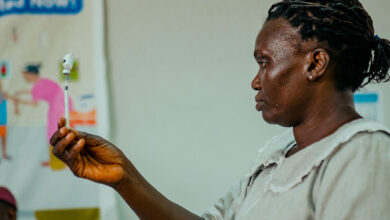
A new global mpox vaccine stockpile will give countries faster and more equitable access to vaccines during outbreaks, strengthening preparedness worldwide.
Around 500,000 more children can now receive free school meals in England, helping families manage food costs while supporting children’s health and learning.
A new AI tool can detect signs of heart failure and heart valve disease from routine ECGs in under two seconds, potentially enabling earlier treatment in the United States.
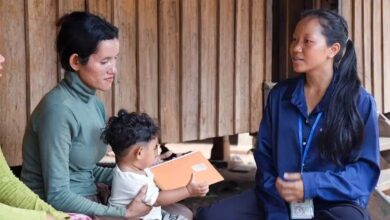
Thousands of trained village volunteers are helping mothers and young children access better nutrition and healthcare in Cambodia, improving prospects for healthier development.