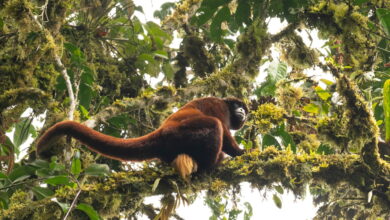
A biodiverse Amazon forest has gained permanent national protection in Peru, safeguarding wildlife habitat and water sources that support more than 10,000 people.
Young red kites from England are helping rebuild a population that nearly disappeared from Spain, repaying a conservation effort that helped restore the species in England.
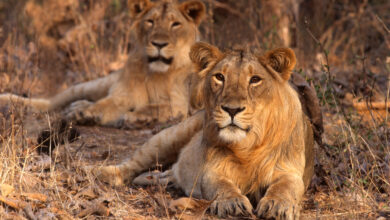
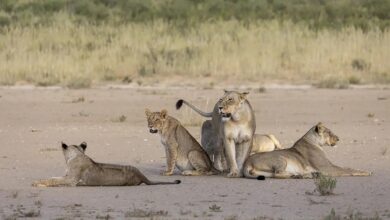
The Asiatic lion population has risen by more than 70% in a decade to 891 in India, continuing a remarkable recovery from near-extinction.
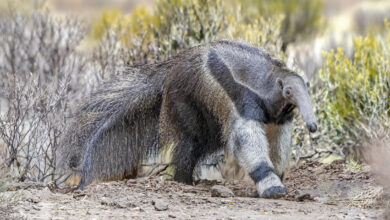
Giant anteaters are once again thriving in Argentina after a pioneering reintroduction programme restored the species to the Iberá Wetlands, bringing conservation, tourism and local communities long-term benefits.
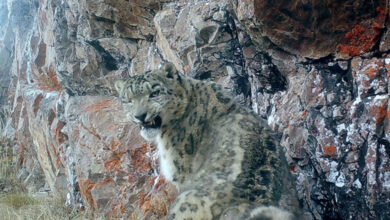
A climate-ready ecological corridor is helping snow leopards and other mountain wildlife move safely across changing landscapes in Kyrgyzstan, while supporting sustainable livelihoods for local herding communities.
Wildlife crossing structures are helping endangered native animals move safely across a major highway in Australia, with thousands of recorded crossings showing the measures are supporting habitat connectivity.
Asia’s threatened vultures are recovering in Nepal after 20 years of coordinated conservation efforts, showing how sustained action can restore wildlife and protect ecosystems.
A family-led conservation effort has transformed former cattle ranchland into the country’s largest private protected area, safeguarding vital freshwater ecosystems and wildlife in Colombia.
A new international conservation programme is helping strengthen wildlife protection, ecosystem resilience and sustainable development across one of southern Africa’s most important transboundary landscapes.
The return of white-tailed eagles to the wild in the United Kingdom is gaining momentum, with additional releases approved following successful breeding and population growth in recent years.