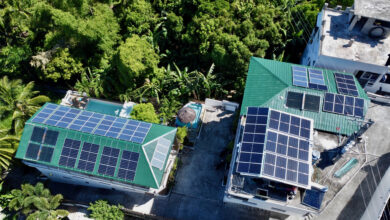
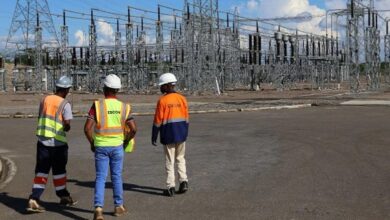
Benin is rapidly expanding electricity access, transforming daily life by connecting homes, businesses and public spaces across the country.
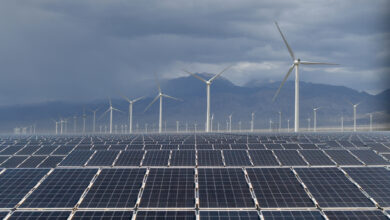
The United States generated a record share of electricity from renewable sources in 2025, with wind, solar and other clean energy supplying 26% of the nation’s power.
Southern Africa has reached one of the continent’s highest electricity access rates, with 56% of people now connected to power across the Southern African Development Community (SADC).
Even as global power demand rises, the world has reached peak coal use, with electricity systems increasingly shifting toward cleaner sources, the International Energy Agency reports.
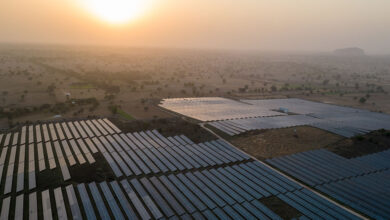
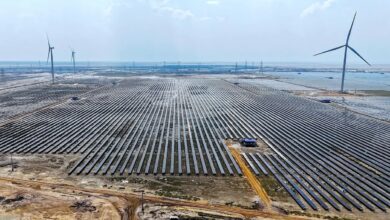
India is building its economic growth on cheap solar power and electrification, leapfrogging the fossil-fuel-heavy path taken by China and Western economies.
Coal-fired electricity generation fell in 2025 in the world’s two largest coal users, marking the first simultaneous decline since the 1970s and signalling a potential turning point for global emissions.
Britain has become the world’s largest economy to halt new oil and gas exploration, marking a historic shift toward clean energy and climate leadership.
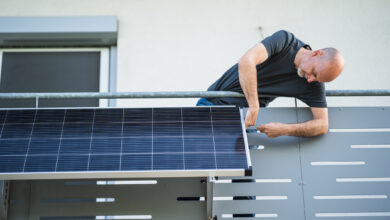
In Spain, citizen-led energy cooperatives are transforming access to clean power, supplying affordable electricity to households and helping low-income families escape fuel poverty.
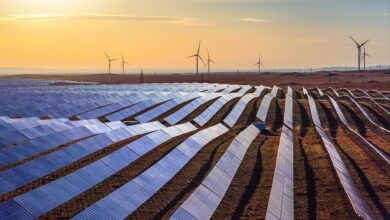
For the first time outside a global downturn, the world’s rising electricity demand is being met entirely by clean energy, marking 2025 as the first year with no increase in fossil fuel generation.
A major new initiative will channel $636 million into renewable power and modernized grids across Africa, helping millions gain access to clean, reliable electricity.